Common Causes of Damage in Commercial Stamped Concrete Surfaces
People searching for commercial stamped concrete repair are often trying to fix damage caused by weather, heavy traffic, or improper installation, and local contractors can help restore and protect their surfaces.
Understanding the common causes of damage in commercial stamped concrete surfaces is essential for property owners looking to preserve the appearance and functionality of their outdoor spaces. These surfaces often endure heavy foot traffic, exposure to harsh weather conditions, and regular wear and tear, all of which can lead to cracks, surface deterioration, or color fading over time. Recognizing these factors can help property owners identify potential issues early and explore repair options that maintain the integrity of their stamped concrete. Local contractors who specialize in stamped concrete repair are equipped to address these common problems, ensuring that surfaces remain durable and visually appealing.
For property owners in the area, staying informed about what can cause damage in stamped concrete surfaces is a practical step toward protecting their investment. Improper installation, inadequate sealing, and exposure to chemicals or de-icing agents are frequent culprits that can accelerate deterioration. When issues arise, experienced local service providers can evaluate the damage and recommend appropriate repair solutions to restore the surface’s original look and strength. Continuing to learn about these common causes can empower property owners to take proactive steps, ensuring their stamped concrete remains a valuable and attractive feature of their property.
- Surface cracking - when ground movement or improper installation causes fractures, local contractors can perform repairs to restore structural integrity.
- Spalling or flaking - exposure to freeze-thaw cycles or heavy traffic can lead to surface deterioration, and service providers can address this with targeted repairs.
- Discoloration or staining - chemical spills or UV exposure may cause uneven coloring, with local pros offering cleaning and resurfacing solutions.
- Uneven surface settling - soil shifting beneath the concrete can create unevenness, and experienced contractors can level and reinforce the surface.
- Cracks from heavy loads - frequent vehicular or equipment weight can cause stress cracks, with local service providers performing reinforcement and patching work.
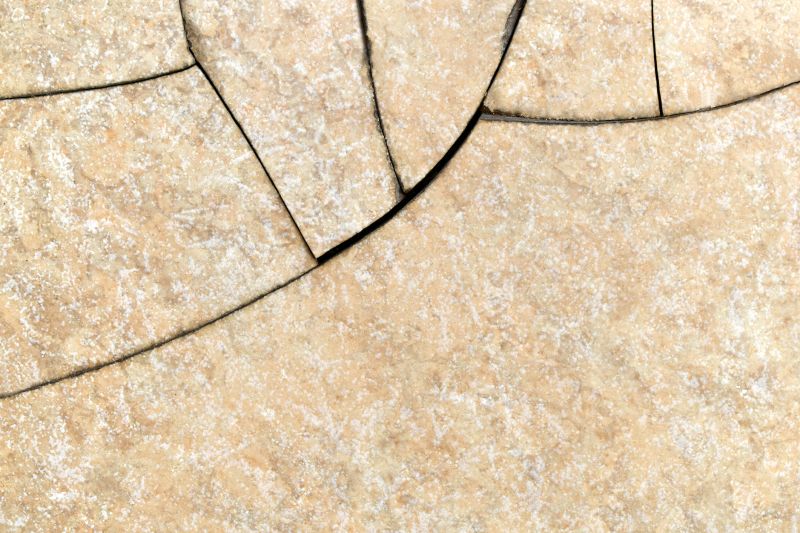
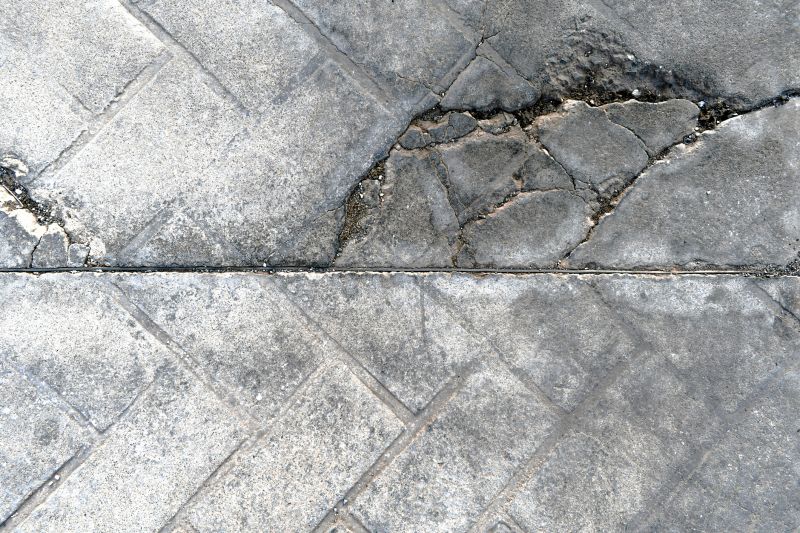
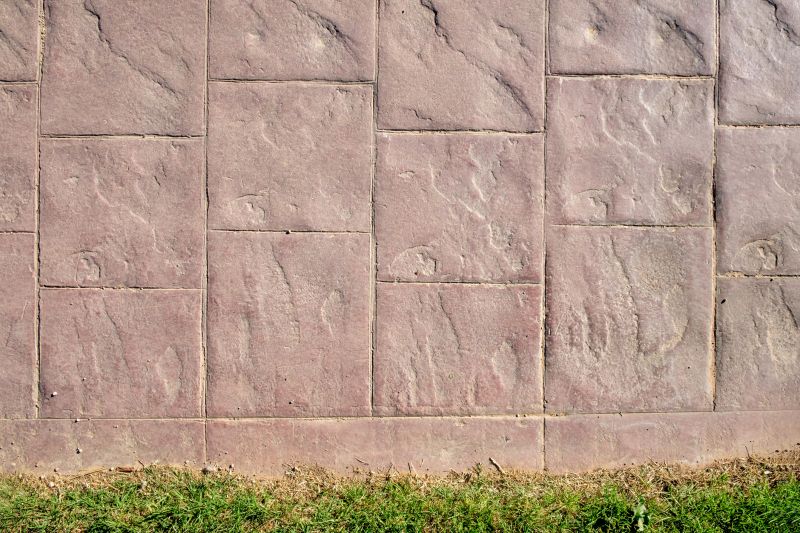
When people search for common causes of damage in commercial stamped concrete surfaces, they are often trying to understand why their paved areas are showing signs of wear, cracking, or deterioration. These surfaces are frequently used in parking lots, walkways, patios, and entryways for retail centers, office complexes, and other commercial properties. The goal is to identify what factors might be contributing to damage so that repairs can be made before issues worsen. Property owners and managers want to know whether the damage is due to improper installation, environmental exposure, or ongoing use, as this helps inform maintenance plans and future preventative measures.
Many problems related to damage stem from environmental factors and exposure to the elements. Commercial stamped concrete is vulnerable to moisture infiltration, especially if the surface isn’t properly sealed or maintained. Water can seep into tiny cracks or porous areas, leading to freeze-thaw cycles that cause the concrete to expand and contract, resulting in cracking or spalling. Additionally, exposure to chemicals such as de-icing salts, oil spills, or harsh cleaning agents can degrade the surface over time. These chemical reactions weaken the concrete’s surface layer, making it more susceptible to chipping or surface erosion, which can compromise the aesthetic appeal and structural integrity.
Heavy loads and frequent traffic are common causes of damage in commercial stamped concrete surfaces, especially in areas with high vehicle or foot traffic. Repeated pressure from vehicles, particularly heavy trucks or delivery vehicles, can cause surface cracking or sinking if the underlying base isn’t properly prepared or compacted. Over time, this stress can lead to surface pitting, uneven areas, or even structural failure in severe cases. Similarly, improper placement or curing during installation can leave the concrete vulnerable to early damage, such as cracking or surface scaling. Understanding these causes helps property owners recognize the importance of quality installation and the need for ongoing assessment by service providers who specialize in repairs.
Finally, natural wear and aging contribute significantly to the common causes of damage in commercial stamped concrete surfaces. Over time, the surface can become worn down due to regular use, foot traffic, and exposure to the elements. Sunlight, temperature fluctuations, and pollution can all accelerate deterioration, leading to fading color, surface erosion, or minor cracks that, if left unaddressed, can develop into more serious issues. Property owners often seek the expertise of local contractors who can assess the extent of aging damage and recommend appropriate repairs or resurfacing solutions. These professionals play a vital role in restoring the appearance and functionality of stamped concrete surfaces, helping commercial properties maintain their professional look and safety standards.
Commercial paving projects involve similar planning and surface preparation skills as stamped concrete repair, making local contractors experienced in these areas well-suited for addressing damage causes.
Concrete restoration services require expertise in surface assessment and repair techniques, which are also essential when addressing common causes of damage in stamped concrete surfaces.
Driveway and sidewalk resurfacing projects share tools and methods with stamped concrete repairs, especially in managing surface deterioration and cracking issues.
Industrial flooring installation involves understanding concrete durability and surface treatment, skills applicable to preventing and fixing damage in stamped concrete surfaces.
Patio and outdoor surface renovations utilize similar planning and finishing techniques, making local service providers capable of addressing damage caused by environmental factors.
Sealant and coating applications are related to stamped concrete maintenance, as proper sealing helps prevent common causes of damage and extends surface lifespan.
When evaluating commercial stamped concrete repair services, it is important to consider the experience of local contractors with similar projects. Repairing stamped concrete requires an understanding of the unique challenges posed by common causes of damage in commercial stamped concrete surfaces, such as cracking, spalling, or surface deterioration. Contractors who have successfully handled projects with comparable conditions are more likely to be familiar with the best techniques and materials to address specific issues effectively, ensuring that repairs are durable and visually consistent with the existing surface.
Clear written expectations are essential when comparing local service providers for stamped concrete repairs. A detailed scope of work should outline the specific repairs needed, the methods to be used, and the desired outcomes. This transparency helps prevent misunderstandings and ensures that both parties have aligned expectations. Reputable contractors will be willing to provide comprehensive proposals that specify the repair process, materials involved, and any necessary preparatory work, giving homeowners confidence in the scope and quality of the service.
Good communication and reputable references are key indicators of a reliable contractor. Service providers who communicate clearly and promptly demonstrate professionalism and a commitment to customer satisfaction. Additionally, requesting references or examples of past projects can provide insight into their track record with similar repairs. Hearing about the experiences of previous clients can help homeowners gauge the contractor’s ability to handle common causes of damage in commercial stamped concrete surfaces and to deliver results that meet expectations. This combination of communication and proven performance supports a well-informed decision when choosing a local contractor for stamped concrete repair needs.
Property owners often search for common causes of damage in commercial stamped concrete surfaces when they are planning practical projects around their homes and businesses. Local pros provide Commercial Stamped Concrete Repair services for everyday jobs and straightforward project options.
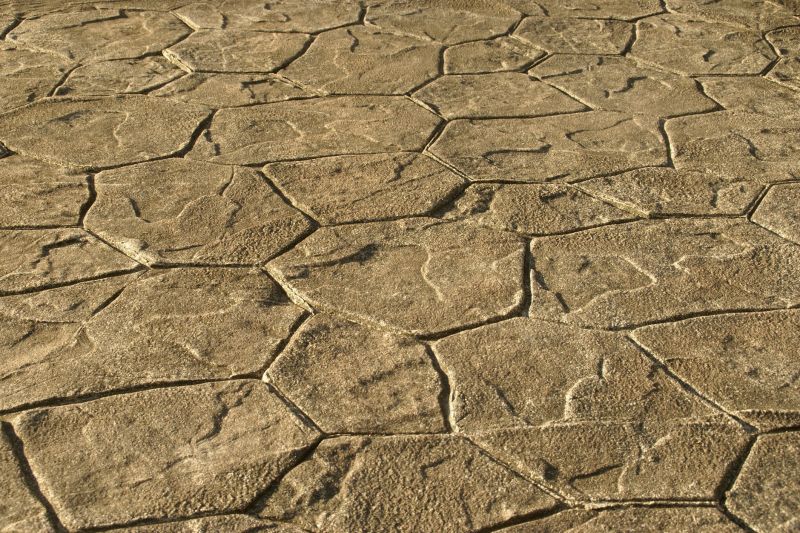
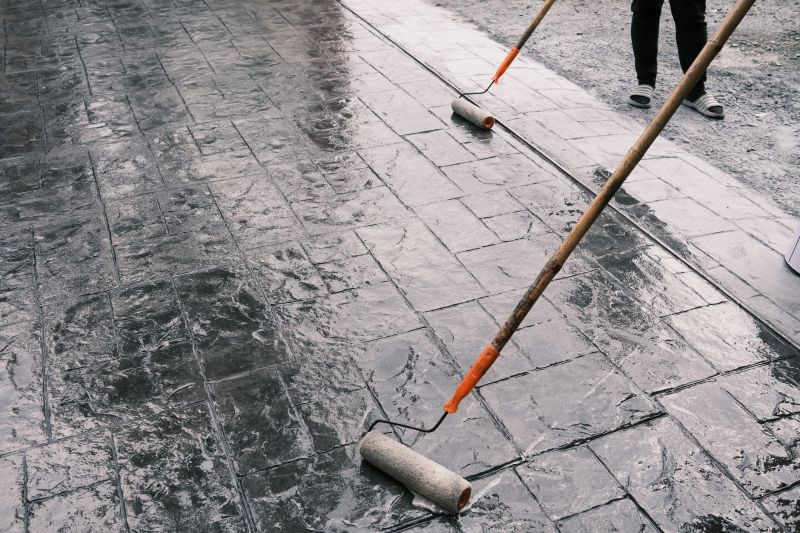
Commercial stamped concrete surfaces can sustain damage from a variety of common causes encountered in everyday property use. Heavy equipment or frequent vehicular traffic can lead to surface cracks or surface deterioration over time, especially if the concrete was not properly reinforced or maintained. Additionally, exposure to harsh weather conditions, such as freeze-thaw cycles or prolonged moisture exposure, can cause the concrete to weaken, chip, or develop surface spalling. Property owners often seek the expertise of local contractors who specialize in stamped concrete repair to address these issues and restore the durability and appearance of their surfaces.
Another frequent issue arises from improper installation or subpar initial work, which can result in uneven surfaces or premature cracking. Spills of harsh chemicals or improper cleaning methods can also degrade the stamped surface, leading to discoloration or surface erosion. Over time, minor damages can escalate if not promptly addressed, making it important for property owners to consider professional repair services. Local service providers are equipped to identify the root causes of damage and perform necessary repairs to extend the lifespan of stamped concrete surfaces, helping maintain their aesthetic appeal and structural integrity.
What are common causes of damage in commercial stamped concrete surfaces? Heavy machinery, improper sealing, and exposure to harsh weather conditions are typical factors that can cause damage to stamped concrete in commercial settings.
How does improper installation contribute to damage in stamped concrete? Incorrect installation techniques, such as inadequate curing or poor base preparation, can lead to cracking, shifting, or surface deterioration over time.
Can exposure to chemicals cause damage to stamped concrete surfaces? Yes, chemicals like de-icing salts, oil, and cleaning agents can erode the surface or cause staining, leading to long-term damage.
What role does weather play in damaging stamped concrete surfaces? Freeze-thaw cycles, heavy rainfall, and prolonged sun exposure can cause cracking, spalling, or fading in stamped concrete surfaces.
How can local contractors help prevent or repair damage in stamped concrete surfaces? Experienced service providers can assess damage causes, perform repairs, and apply protective treatments to extend the lifespan of stamped concrete surfaces.
Heavy equipment impact - Commercial stamped concrete surfaces can suffer damage when heavy machinery is used nearby, and local contractors can reinforce or repair affected areas.
Poor drainage - Water pooling or runoff can weaken the concrete over time; property owners can work with local pros to improve drainage systems around the surface.
Exposure to chemicals - Spills of de-icing salts, oils, or cleaning agents may cause surface deterioration, and local service providers can address chemical-related damage.
Inadequate curing and sealing - Improper curing or lack of proper sealing can lead to surface cracks and wear, which local contractors can repair and protect against future issues.
If you are thinking about common causes of damage in commercial stamped concrete surfaces for a property, this guide is meant to help you understand this topic, the typical project types, and how different options might fit your plans.
When you are ready, you can use the quote form on this page to share a few details about your project. From there, local pros can review the basics and follow up with options that match what you have in mind.